

Table of Contents
- Quick Comparison: Curated Starter Kits for Renters
- Modern Aesthetic Home Decor for Beginners
- Renter-Friendly Wall Decor Ideas That Protect Your Deposit
- Temporary Rental Upgrades That Look Expensive
- Budget Tiers: Styling Your Rental at Every Price Point
- Minimalism vs. Maximalism: Finding Your Curated Aesthetic
- Acoustic Treatment and Sustainable Decor for Renters
- Conclusion
- Frequently Asked Questions
Last Updated: September 21, 2026
Quick Comparison: Curated Starter Kits for Renters
Curated home styling ideas for renters 2026 start with one shift: buy fewer pieces that work together, and treat home styling as a filter rather than a shopping spree. This guide from theJoyincolor shows how to style a rental without losing a dollar of your security deposit.
| Starter Kit | What's Included | Budget Level | Best For |
|---|---|---|---|
| Deposit-Safe Basics | Removable hooks, plug-in sconce, 2 accent pillows | Entry | First apartment, zero DIY |
| Warm Layer Kit | Textiles, layered rugs, window treatments, planters | Mid | Renters who want instant warmth |
| Full Curated Reset | Wallpaper accent, gallery wall, hardware swaps, lighting layers | Higher | Long-term renters, maximalist leanings |
Modern Aesthetic Home Decor for Beginners
Modern aesthetic home decor for beginners comes down to two moves: pick a tight color palette, then repeat it in three textures. Most renters overbuy and under-edit.

Start with a Cohesive Color Palette
Choose one base, one warm neutral, and one accent. Earthy tones dominate 2026 trend forecasts, so a sand base with terracotta and deep olive accents reads current without feeling trendy. Write the three colors down and check every purchase against them. If a piece doesn't match, it doesn't come home.
Layer Textiles for Instant Warmth
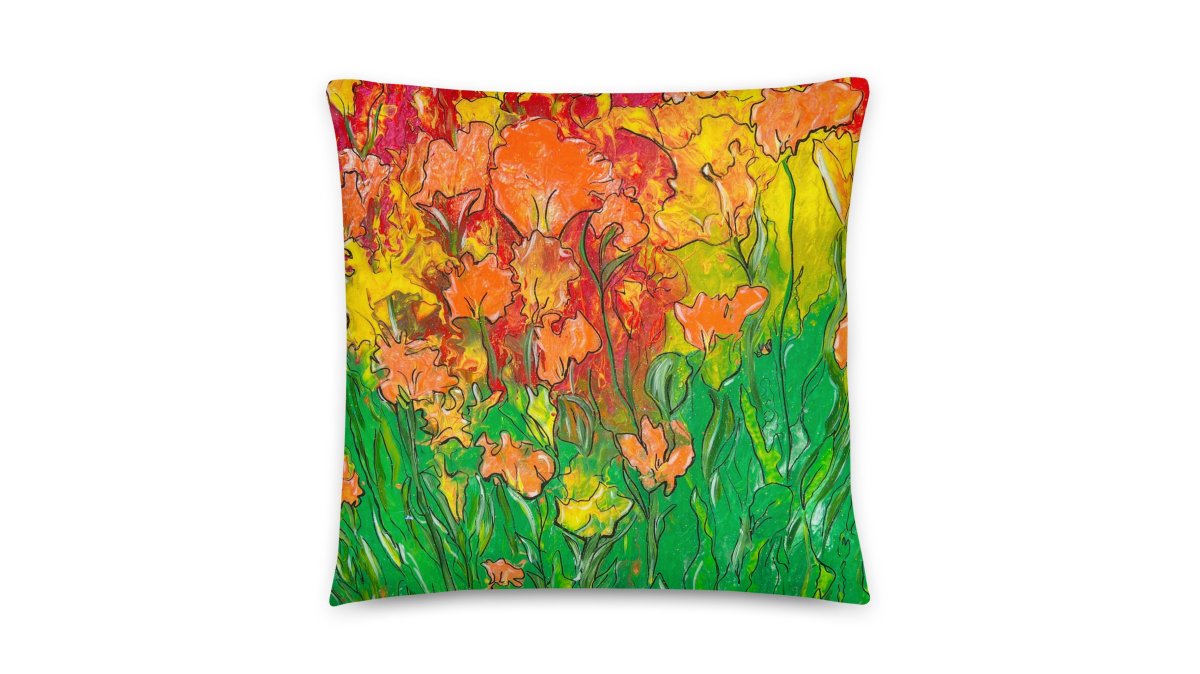
Textile layering is the fastest rental upgrade available. A throw over a neutral sofa, two accent pillows, and a runner on a bare floor change a room in under ten minutes. That's why a pair of $17.13 accent pillows does more visual work than a new piece of furniture.
Renter-Friendly Wall Decor Ideas That Protect Your Deposit
Renter-friendly wall decor ideas share one rule: nothing touches the paint in a way that leaves a mark. Renter-safe adhesives have improved dramatically and come off clean when you move.
Peel-and-Stick Wallpaper and Removable Backslash Options
Peel-and-stick wallpaper works best on a single accent wall or inside a bookcase. Smooth, painted surfaces hold best; skip textured walls and fresh paint. Removable backsplash tiles follow the same logic in kitchens and bathrooms.
Gallery Walls with Damage-Free Hanging Solutions
A gallery wall is the highest-impact, lowest-risk wall treatment for renters. Use removable adhesive strips rated for the weight of each frame, keep frames light, and lay the whole arrangement out on the floor first. Command hooks and adhesive strips have become the standard renter toolkit for exactly this reason, as noted in Avenue Living Residential's non-permanent decorating notes.
Temporary Rental Upgrades That Look Expensive
Temporary rental upgrades that look expensive usually cost less than one month of rent. Target the fixtures people notice first: light, hardware, and the kitchen backsplash.
Lighting Layers and Plug-In Sconces
One overhead light flattens a room; three sources at different heights make it feel designed. Add a plug-in sconce beside the bed, a floor lamp in the corner, and a table lamp on a console. Smart bulbs shift warmth from daylight to soft evening light without rewiring.
Hardware Swaps and Removable Backslash Ideas
Cabinet knobs and drawer pulls unscrew in minutes and screw back just as fast. Keep the originals in a labeled bag, swap in something with weight and finish, and you've changed the whole kitchen for the cost of a dinner out. Pair it with a removable backsplash panel behind the stove.
Budget Tiers: Styling Your Rental at Every Price Point
Most renter guides list ideas without saying what to buy first when money is tight, and rarely show how one look scales across spending levels. The framework below fixes that: one cohesive look, three price points, and a clear order of operations so every dollar buys visible change.
The Same Look at Three Budget Levels
Pick a single target look, say, a warm, earthy living room with a sand base, terracotta accents, and deep olive secondary, and build it three ways.
What to Buy First When Money Is Tight
The order follows visibility per dollar:
- Color repeat (pillows, throw), cheapest way to make a room look intentional.
- Second and third light sources, fixes the flat, overhead-only look that reads as "rental."
- Textiles on the floor and windows, largest surface area change for the money.
- Wall treatments, highest impact, highest effort, highest deposit risk.
- Hardware swaps, smallest visual footprint, but the most satisfying per-minute upgrade.
If you only ever complete steps one and two, your rental will still look curated. Steps three through five are multipliers, not requirements.
The Cost-Versus-Benefit Trade-Off
One caution worth stating plainly: renters should weigh which improvements are worth the cost against what they will simply have to live with. Design writers have flagged this as the core cost-versus-benefit dilemma of renting, according to Style by Emily Henderson's analysis. The rule that resolves it: spend on what moves with you, skip what stays behind.
Minimalism vs. Maximalism: Finding Your Curated Aesthetic
Minimalism and maximalism are two ends of one dial, and your curated aesthetic lives between them. Minimalist renters should invest in texture, since fewer objects means each surface carries more weight. Maximalists should invest in restraint within the chaos: pick a palette and let pattern do the talking.
Acoustic Treatment and Sustainable Decor for Renters
Acoustic treatment for renters is the most overlooked category in rental styling, and where sustainability and function overlap most cleanly. In an apartment with hard floors, bare walls, and tall ceilings, echo is your problem every night, and the fix is the same purchase as the decoration.
Why Rentals Echo (and What Actually Absorbs Sound)
Sound bounces off hard, flat surfaces, drywall, hardwood, tile, glass, bare ceilings, while soft, porous materials absorb it. You don't need acoustic panels or landlord permission, just soft coverings on the hard surfaces closest to where sound originates and where you sit.
Ranked by absorption per dollar in a typical rental:
- A large area rug with a thick pad. The pad matters as much as the rug. A rug laid directly on hardwood absorbs far less than the same rug over a felt or rubber pad, because the pad decouples the rug from the reflective floor.
- Floor-length curtains. Curtains that stop at the sill do almost nothing acoustically. Curtains that pool slightly at the floor and extend past the window frame on both sides absorb meaningfully more.
- An upholstered headboard or a fabric-covered headboard panel. This is the single highest-impact bedroom upgrade for echo, and it doubles as a design anchor.
- A wall of framed art or a textile hanging. Frames with a fabric or foam backing absorb more than bare canvas. A large textile hanging absorbs more than either.
- Bookshelves with books. Irregular, varied surfaces scatter sound rather than reflecting it. A full bookshelf is a passive acoustic diffuser.
Sustainable Decor as a Circular-Economy Practice
Sustainability in a rental isn't about buying "green" products, it's about buying fewer things that survive more moves. That reframes the category around the circular economy: second-hand, upcycled, and repairable items that hold value and travel well.
A few concrete practices that fit rental life:
- Buy second-hand first for anything solid. Wood side tables, lamps, mirrors, and frames are widely available used, cost a fraction of new, and are more durable than flat-pack replacements. Solid wood survives moves; particleboard does not.
- Upcycle rather than replace. A second-hand lamp with a new shade, or a used frame with a fresh mat, reads as new for a fraction of the cost and keeps one more item out of the waste stream.
- Choose textiles you can wash, not textiles you replace. Washable slipcovers, removable pillow covers, and machine-washable rugs extend the life of furniture you already own and reduce the cycle of buying and discarding.
- Prefer removable over permanent. Anything you can take with you, curtains, rugs, lamps, hardware, has a second life in your next rental. Anything adhered to a wall usually does not.
Conclusion
Styling a rental without risking your deposit takes a filter and a plan, not a shopping spree. Start with your three-color palette, layer textiles first, and spend only on pieces that move with you.
Frequently Asked Questions
What's trending for home decor in 2026?
Warm minimalism leads 2026 trends, with clear layouts, tactile materials, and earthy color palettes creating character in rental spaces. Designers are also embracing dopamine decor and maximalism for personality-driven interiors. No-damage decorating methods like peel-and-stick wallpaper and command hooks remain essential for renters who want to avoid security deposit loss. Curated starter kits that bundle complementary items simplify achieving a cohesive aesthetic.
What is the 3-5-7 rule in decorating?
The 3-5-7 rule is a styling guideline for arranging decor items in odd-numbered groupings. You might place three accent pillows on a sofa, five books on a shelf, or seven small objects on a console table. Odd numbers create visual interest because the eye naturally rests on a center item. This approach works well in rental spaces where you want a curated look without overwhelming small rooms.
How can I style a rental apartment without damaging the walls?
Use renter-safe adhesives like command hooks and peel-and-stick wallpaper to avoid wall damage. Temporary decor options include plug-in sconces, LED strips, and removable backsplash tiles. For wall art, consider lightweight frames hung with adhesive strips or leaning artwork on shelves. These non-permanent solutions let you customize your space while protecting your security deposit.
Are peel-and-stick upgrades still popular for renters in 2026?
Yes, peel-and-stick wallpaper and removable backsplash options remain top choices for renters in 2026. Industry guidance emphasizes non-permanent styling solutions that achieve aesthetic updates without damaging property surfaces. These products let you add color, pattern, and texture to kitchens and bathrooms, then remove them cleanly when your lease ends. They are a practical way to make a rental feel like your own.
What are the most effective renter-friendly lighting solutions?
Plug-in sconces, LED strip lights, and floor lamps with smart bulbs are the most effective renter-friendly lighting options. These fixtures require no hardwiring and can be removed without leaving marks. Layering lighting, using overhead, task, and accent sources, creates a warm atmosphere. Smart lighting lets you adjust brightness and color temperature to suit different times of day.