

Table of Contents
- What Is Emotional Interior Design
- How Interior Design Affects Mood and Behavior
- Color Psychology in Interior Design
- Lighting, Texture, and Sensory Experience
- Storytelling in Interior Design for Beginners
- Interior Design Moodboard Ideas
- Designing for Comfort, Relaxation, and Connection
- What Emotional Interior Design Is Not
- Frequently Asked Questions
Last Updated: October 19, 2026
What Is Emotional Interior Design
Emotional interior design is the practice of intentionally selecting and arranging interior elements to evoke specific feelings, enhance mood, and create meaningful connections between people and their spaces.
At theJoyincolor, we believe that the colors, textures, and objects surrounding you every day shape your emotional experience in ways you might not consciously recognize.
Research from the 2025 study "Emotional Design of Interior Spaces: Exploring Challenges and Opportunities" published in Buildings identifies three distinct levels at which emotional design operates: functional comfort (usability and privacy), individual expression (personalization and cultural identity), and sensory stimulation (textures, materials, and lighting).
The Three Levels of Emotional Design
The framework reveals that emotional interior design operates simultaneously on multiple layers. The functional level addresses the basics: does the furniture arrangement support how you actually move through the space? Is the lighting adequate for the tasks you perform?
The individual level is where personality emerges. This is where you introduce colors that make you happy, display artwork that reflects your values, and arrange objects that tell your story.
The sensory level engages your physical experience. Kim and colleagues published in PubMed Central, interior design functions as an environmental mediator that influences mental responses through sensory stimuli (pubmed.ncbi.nlm.nih.gov).
How Interior Design Affects Mood and Behavior
The connection between your surroundings and your emotional state is not coincidental. Your brain processes the visual, tactile, and spatial information in a room and generates a corresponding emotional response. A cluttered, dimly lit space typically triggers anxiety or fatigue.
This relationship works in both directions. Your mood influences how you perceive your environment, and your environment actively shapes your mood. This is why redesigning a single room can feel transformative, you're not just changing what you see; you're changing how you feel in that space every day.
The Science Behind Environmental Psychology
Environmental psychology is the field that studies exactly this relationship: how physical spaces influence human behavior and emotional states. The research demonstrates that elements like color, spatial arrangement, natural light, and material texture all send signals to your nervous system.
When you enter a room with warm, earthy tones and soft lighting, your body recognizes these as signals of safety and comfort. Conversely, harsh fluorescent lighting and cool, sterile colors can trigger mild stress responses.
The stimuli-organism-response framework that researchers use shows that artistic and design stimuli (the room itself) create mental and emotional responses in the person experiencing it.
Color Psychology in Interior Design
Color is perhaps the most powerful tool in emotional interior design. Each color family carries distinct psychological associations that influence mood and behavior. Warm tones like reds, oranges, and warm yellows stimulate energy, appetite, and social connection. Cool tones like blues, greens, and purples promote calm, focus, and introspection.
The choice isn't about what's trendy, it's about what emotional state you want to inhabit in that space. A bedroom painted in cool blue encourages rest. A home office in warm amber supports motivation and creativity. A kitchen in warm terracotta creates gathering energy.
Cool Tones vs. Bold Styles
Cool tones, blues, greens, and purples, work best in spaces where you need mental clarity or emotional calm. Bedrooms, bathrooms, and home offices often benefit from cool palettes.
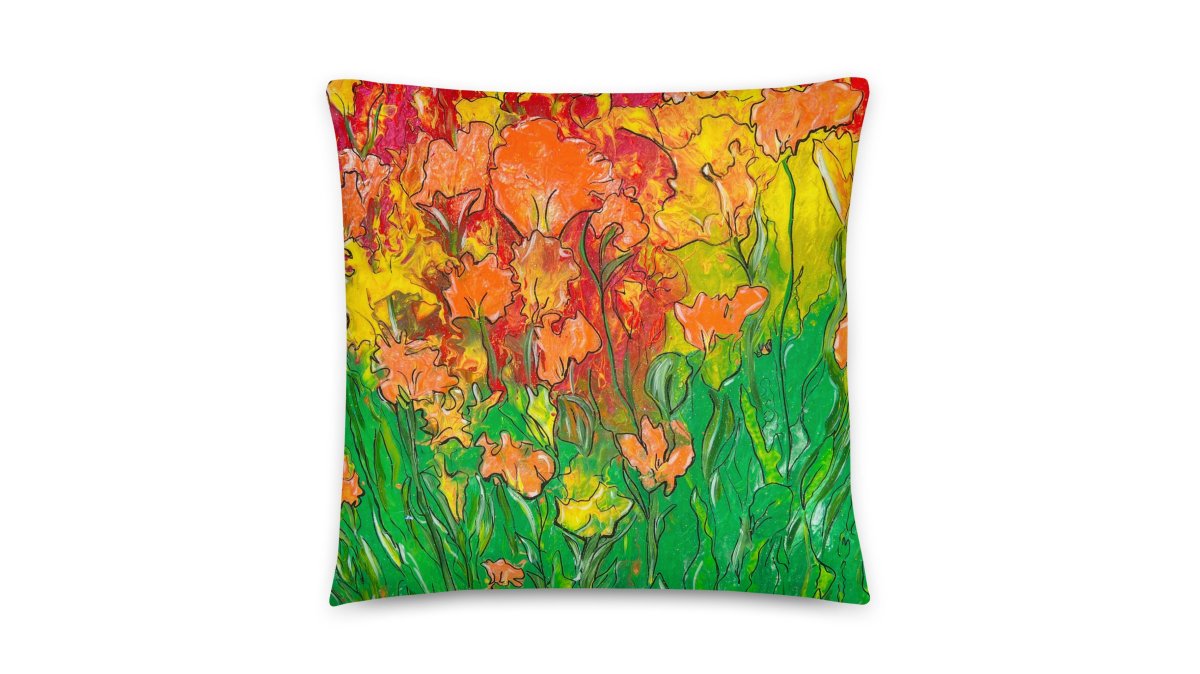
Bold, warm colors, reds, oranges, hot pinks, and saturated yellows, activate energy and emotion.
Accent pillows like theJoyincolor's Mothers Day Accent Pillow ($17.13) or Darkness to Light Accent Pillow ($17.13) let you introduce bold color without committing to painting walls.


Lighting, Texture, and Sensory Experience
Light quality fundamentally changes how you experience a space. Natural light creates vitality and connection to the outside world. Warm artificial light (2700K color temperature) feels intimate and relaxing. Cool artificial light (4000K+) supports alertness and task focus.
Texture engages your sense of touch and creates visual depth. A room with varied textures, soft upholstery, smooth wood, rough woven elements, feels richer and more emotionally engaging than one with uniform, flat surfaces. When you can see and feel different materials, your nervous system perceives the space as more complex and interesting.
Natural Light and Shadow in Room Layout
Natural light is the most emotionally powerful lighting element available. It connects you to circadian rhythms, reduces seasonal mood disorders, and creates a sense of openness and possibility.
Shadow is equally important. Spaces with only bright, even lighting feel flat and sterile. Strategic shadows create depth, mystery, and visual interest. A room designed with both light and shadow feels dynamic and emotionally complex.
Room layout determines how light moves through the space. Positioning your primary seating to face a window maximizes natural light exposure. Placing darker, more intimate furniture in shadowed corners creates cozy refuges.
Storytelling in Interior Design for Beginners
Storytelling in interior design means curating objects, colors, and arrangements that communicate something true about who you are. Your space becomes a narrative of your interests, values, memories, and aspirations.
Begin by identifying what story you want your space to tell. Is this a room that celebrates creativity? Rest? Connection with family? Intellectual focus? Once you know the emotional narrative, every design choice becomes a sentence in that story.
Using Art and Personal Expression
Art is the most direct vehicle for personal storytelling. Unlike generic decorative items, art expresses your actual taste, values, and emotional preferences. A painting you love communicates something about what moves you.
Personal objects, collected items, inherited pieces, handmade objects, carry emotional weight that mass-produced decor cannot replicate. A shelf displaying your collection of vintage finds, travel souvenirs, or family heirlooms tells visitors (and reminds you) who you are.
The arrangement matters. Clustered artwork creates visual impact and narrative density. Spaced-out pieces feel more curated and intentional. Mix frame styles and sizes to create visual rhythm and personality.
Interior Design Moodboard Ideas
A moodboard is a collection of colors, textures, images, and objects that define the emotional tone you want to create. It's a planning tool that helps you see whether your choices work together before you commit resources.
Start by gathering inspiration: paint swatches, fabric samples, photographs of rooms you love, images of colors and textures that appeal to you. Include images that capture the feeling you want, not just the aesthetic style.
Building Your Moodboard Step by Step
Step 1: Define the emotion. Write down the primary feeling you want the room to evoke, calm, energized, grounded, joyful, focused.
Step 2: Gather color references. Collect paint chips, fabric swatches, and photographs that embody your color palette.
Step 3: Add texture samples. Include samples of materials you're considering, upholstery fabric, wood finishes, wall textures. Run your hand over them.
Step 4: Include artwork and objects. Pin images of art, decorative objects, or furniture pieces that resonate with your emotional vision.
Step 5: Evaluate the whole. Step back and look at everything together. Does it feel cohesive?
| Step | Action | Purpose |
|---|---|---|
| 1 | Define primary emotion | Establish design direction |
| 2 | Gather color references | Create cohesive palette |
| 3 | Collect texture samples | Add sensory depth |
| 4 | Include artwork examples | Ground vision in concrete items |
| 5 | Evaluate cohesion | Verify emotional alignment |
Designing for Comfort, Relaxation, and Connection
Emotional interior design is ultimately about creating spaces where you feel safe enough to relax, inspired enough to engage, and connected enough to belong. Comfort is the foundation. Without physical comfort, emotional design cannot succeed.
Comfort means ergonomic furniture that supports your body, temperatures you can control, and acoustic qualities that support the activities in that space. A beautiful room that causes back pain or echoes uncomfortably is a failed design, no matter how aesthetically perfect.
Furniture Arrangement and Spatial Flow
How you arrange furniture determines whether a space feels welcoming or isolating. Furniture positioned to face inward creates intimacy and conversation. Furniture facing outward toward a view or focal point creates openness and connection to the larger space.
Spatial flow is about movement. Can you move through the room without obstacles? Are pathways clear? Does the arrangement encourage you to use all areas of the space, or do certain zones feel cut off?
Consider sightlines too. What do you see when you enter the room? From your favorite seat, what's in your visual field? These views shape your moment-to-moment emotional experience.
What Emotional Interior Design Is Not
Emotional interior design is not interior decorating for its own sake. It's not about following trends, matching a Pinterest aesthetic, or creating a space that photographs well.
It's not about ignoring function for feeling. A beautiful room that doesn't work for how you actually live in it is a frustration, not a sanctuary.
Emotional interior design is also not about expense. A single well-chosen accent pillow, thoughtful arrangement of existing objects, or strategic change in lighting can shift how a room feels. theJoyincolor's Boho Accent Pillow ($17.13) or Joy Garden Flag ($12.54) demonstrate how small, affordable pieces can introduce color and personality that transform a space.

Finally, emotional interior design is not about creating a space that's emotionally intense all the time. Rest requires calm. Focus requires clarity.
Creating spaces that make you feel good requires intention, not expense.
Frequently Asked Questions
What is emotional interior design?
Emotional interior design is the practice of selecting colors, materials, lighting, and furniture to evoke specific feelings and influence behavior. According to a 2025 study in Buildings (MDPI), emotional design involves sensory-stimulating textures, materials, and lighting combined with functional comfort and personal identity elements. It goes beyond aesthetics to create spaces that resonate with your values and improve well-being.
How does interior design affect emotions and behavior?
Interior design influences emotions through the stimuli-organism-response framework, where artistic elements like color, lighting, and layout trigger psychological and emotional responses. Research shows that your environment shapes mood, comfort levels, and how you behave in a space. Warm lighting promotes relaxation, while open spatial flow encourages social connection. Strategic design choices directly impact anxiety levels, happiness, and sense of belonging.
What is a moodboard for interior design, and how do I make one?
A moodboard is a visual collection of colors, textures, images, and materials that represent the emotional tone you want your space to convey. Start by gathering inspiration from images, paint swatches, fabric samples, and artwork that evoke the feeling you're after. Arrange them on a board or digital platform to see how colors and textures work together. This helps you visualize your emotional interior design before committing to purchases.
How can I use color psychology to create a calm room?
Cool tones like soft blues, greens, and muted purples naturally evoke relaxation and tranquility. Pair these with warm accent lighting and soft textures like cotton or linen to reinforce calm. Avoid bold, saturated colors in bedrooms or relaxation spaces. A simple accent pillow in a cool tone, like the Darkness to Light Accent Pillow at $17.13, can shift the entire emotional tone of a room toward peace and comfort.
What role does lighting play in emotional interior design?
Lighting is one of the most powerful emotional design tools. Natural light creates openness and happiness, while warm artificial lighting promotes coziness and relaxation. Harsh overhead lighting can trigger stress and fatigue. Use layered lighting (overhead, task, and accent) to control the emotional atmosphere. Shadows and light-and-shadow interplay add depth and visual interest, influencing how spacious and inviting a room feels.
How do I tell a story through my interior design?
Tell your story by displaying art, collections, and personal items that reflect your values and experiences. Arrange these elements intentionally throughout your space so they create a narrative about who you are. Use color palettes that match your personality, select materials that feel meaningful, and create focal points around objects that matter to you. This approach transforms your home from generic to deeply personal and emotionally connected.
Is emotional interior design only about aesthetics, or is it functional?
Emotional interior design balances both. You can choose items that make you happy while ensuring they're durable and fit your lifestyle. Quality pieces that evoke emotion and perform well, like the Mothers Day Accent Pillow with a machine-washable case at $17.13, deliver both emotional satisfaction and everyday usability.