

Table of Contents
- Why Shoppers Look for Maison Balzac Alternatives
- Quick Comparison: Maison Balzac vs Budget-Friendly Options
- Duralex: Durable, Affordable, and Dishwasher Safe
- Colorful Glassware Sets That Deliver on Design
- How to Style a Colorful Tablescape with Your New Glassware
- Material Matters: Borosilicate Glass vs Standard Glass
- Sustainability and Ethical Manufacturing in Glassware
- Conclusion: Finding Your Perfect Glassware Match
- Frequently Asked Questions
Last Updated: September 2, 2026
Why Shoppers Look for Maison Balzac Alternatives
The glassware market has exploded. What started as a niche for design-conscious home decorators has become mainstream, with the U.S. glassware market valued at USD 2.77 billion in 2025 and projected to reach USD 4.75 billion by 2035 (SNS Insider, 2026) (snsinsider.com). That growth reflects a real shift: people now see their drinking glasses as part of their home aesthetic, not just functional vessels.
Maison Balzac built its reputation on hand-blown, French-inspired glassware with effortless elegance. The problem? Price. Their Pom Pom Wine glasses cost $110 per pair, which creates a barrier for most shoppers looking for similar design without the luxury markup. This is where glassware alternatives come into play. Consumers are actively seeking options that deliver on design, durability, and sustainability without requiring a second mortgage.
At theJoyincolor, we've tracked this shift closely. Shoppers want pieces that feel intentional and beautifully designed, but they also want value. They're asking: "Can I get that Parisian café aesthetic for less?" The answer is yes. The market now offers multiple paths to achieving that main character energy without the Maison Balzac price tag. Whether you're drawn to colorful glass sets, heat-resistant borosilicate options, or hand-crafted artisan pieces, the alternatives landscape is richer than ever.
What's driving this search? Three factors. First, 91% of consumers believe the right glass improves their drinking experience, and 89% are influenced by seeing others use unique glasses (ADM Group, 2022). Second, sustainability matters: 92% of consumers feel positively toward companies offering glass packaging due to its lower environmental impact (Glass Packaging Institute, 2022) (gpi.org). Third, the mid-priced range between $25 and $50 now holds 54% of the glass tableware market share, reflecting demand for accessible quality.
Quick Comparison: Maison Balzac vs Budget-Friendly Options
| Feature | Maison Balzac | Budget-Friendly Alternatives | theJoyincolor Approach |
|---|---|---|---|
| Price per set | $80-$150 | $20-$60 | Complementary pieces from $10.15-$40.52 |
| Material focus | Hand-blown glass | Mixed (borosilicate, tempered glass) | Ceramic and coordinating tableware |
| Design aesthetic | French minimalist | Varied (colorful, vintage-inspired, modern) | Bold, vibrant, multicolor art-driven |
| Sustainability | Limited info | High (recyclable materials) | Sustainable production focus |
| Durability | High but delicate | High (heat-resistant options) | Durable, dishwasher-safe |
| Best for | Collectors, entertaining | Daily use, families | Statement pieces, coordinated tablescapes |
The comparison reveals an important truth: Maison Balzac alternatives don't need to be inferior, they're just different. Budget-friendly options prioritize durability and accessibility. Hand-blown glassware prioritizes artistry and exclusivity. If you're looking for glassware alternatives, your choice depends on whether you value investment pieces or everyday functionality.
Many shoppers discover that mixing price points works best. You might invest in one statement piece from a premium brand and fill the rest of your collection with accessible alternatives. This hybrid approach gives you that curated, collected feeling without the financial commitment.
Duralex: Durable, Affordable, and Dishwasher Safe
Duralex has been the workhorse of French glassware since 1945. Their Le Picardie and Le Gigogne tumblers are practically indestructible, they're used in restaurants, cafés, and homes across the globe. If Maison Balzac represents the luxury end of French glassware, Duralex represents the practical end. Both are French. Only one fits most budgets.
What makes Duralex a legitimate glassware alternative is their commitment to borosilicate glass, a material engineered to resist thermal shock. You can pour hot coffee directly into a cold glass without risk of shattering. This isn't just convenient, it fundamentally changes how you use drinkware. Duralex glasses handle temperature swings that would destroy standard glass.
The Le Picardie tumbler is their signature piece. It's stackable, dishwasher safe, and costs a fraction of hand-blown alternatives. The design is deliberately understated, no embellishment, no artistic flourish. What you're paying for is reliability. Consumer Reports, after consulting with bar and hospitality experts, recommended Duralex Le Picardie as one of the best glassware options for entertaining in July 2026, emphasizing how the glass thickness and durability affect the drinking experience.
Here's what most guides miss: Duralex doesn't feel cheap. The weight in your hand, the clarity of the glass, the way it catches light, these signal quality even though the price tag doesn't reflect luxury positioning. You're getting premium materials at accessible pricing.
Colorful Glassware Sets That Deliver on Design
The trend toward colorful glassware in 2026 reflects a deeper shift in home aesthetics. People are moving away from the "uniform minimalism" that dominated the 2010s. They want their homes to look collected, not arranged. Colorful classical tall glasses and cocktail glasses are seeing significant demand, with party hosts and home decoration enthusiasts leading adoption (Hengjing Glass, 2026).
This is where colorful glassware sets become relevant glassware alternatives to Maison Balzac. While Maison Balzac focuses on clear, hand-blown aesthetics, colorful options inject personality directly into your tableware. Brands like Glasvin collaborate with glass artisans to offer hand-blown colored glassware at prices that don't require a second mortgage. Their Universal glass, priced at $79 for a pair, delivers hand-crafted quality with color options that Maison Balzac doesn't offer.
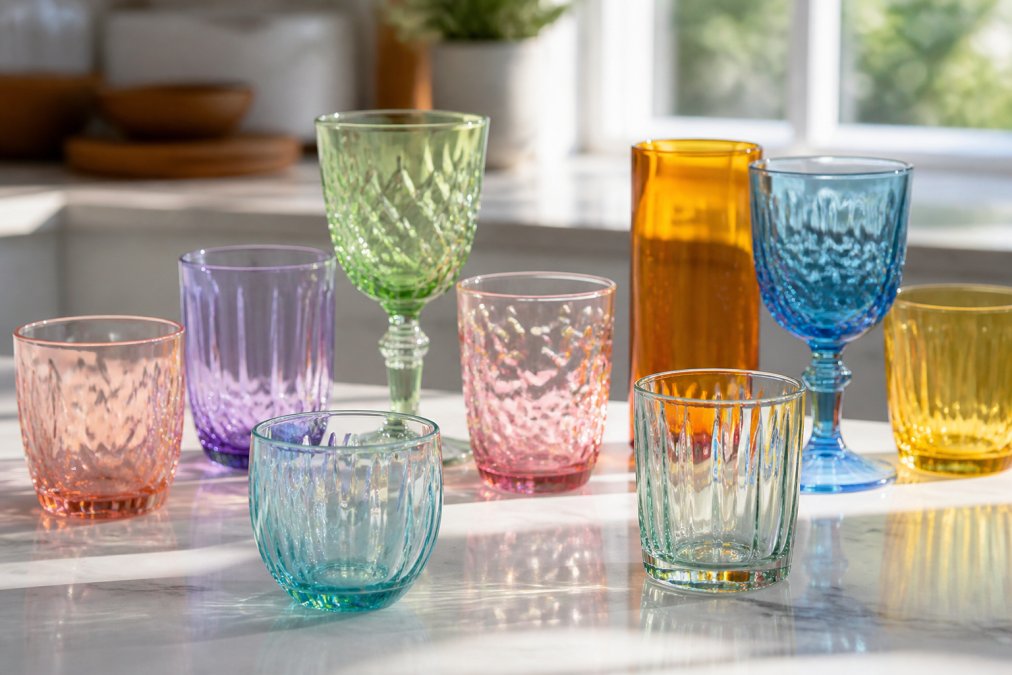
The psychology here matters. When 72% of consumers feel that a glass's shape and design represent the brand, colored glassware becomes a statement about your values. You're not just choosing a vessel, you're choosing a visual language for your space. Bright blues, warm ambers, soft pinks, and rich greens signal that you care about aesthetics and aren't afraid of color.
What separates quality colorful glassware from cheap alternatives? Glass thickness and clarity. Poor-quality colored glass looks murky. Good colored glass maintains transparency while delivering color saturation. When evaluating glassware alternatives, hold the glass up to light. You should see clean color, not cloudiness.
theJoyincolor's approach complements colorful glassware perfectly. Our Graffiti Love Placemat Set ($40.52) and Graffiti Love Cloth Napkin Set ($35.04) coordinate beautifully with jewel-toned glasses, creating a cohesive tablescape without requiring matching glassware from a single brand. This mixing strategy is how modern decorators build curated collections.

How to Style a Colorful Tablescape with Your New Glassware
Styling a colorful tablescape is simpler than most people think. The key is intentional repetition and balance. Start with your glassware as the anchor. If you've chosen jewel-toned glasses, your placemats and napkins should either echo those colors or provide neutral contrast.
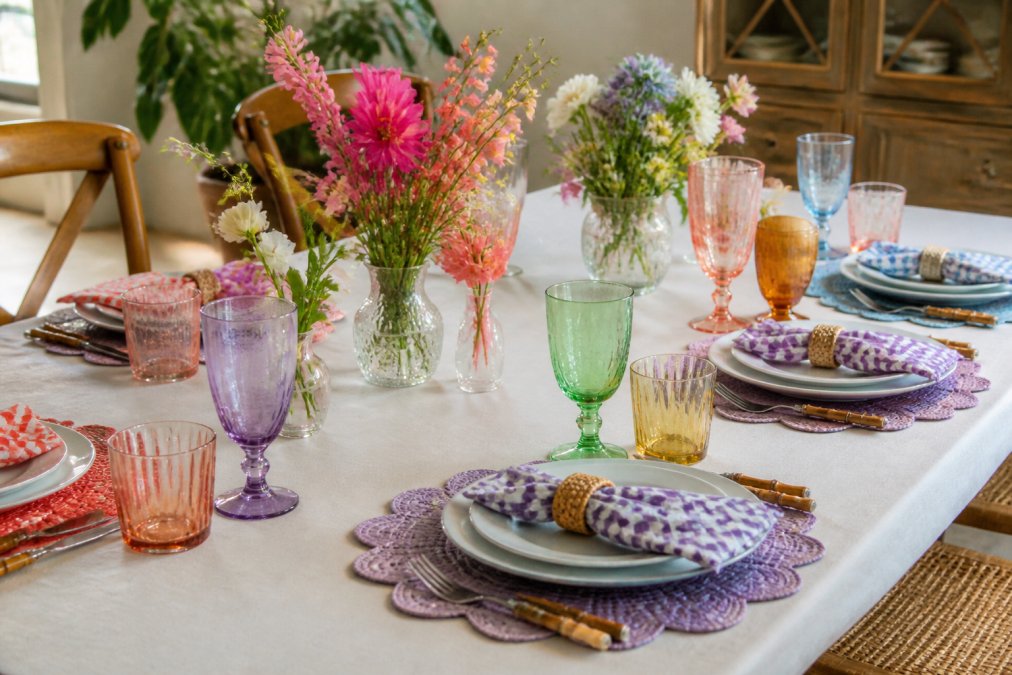
Here's the framework: pick one dominant color from your glassware, then build around it. If your glasses are amber, introduce warm neutrals (cream, soft gold, natural wood) and one complementary accent color. If they're deep blue, pair with white linens and brass accents. This prevents visual chaos while keeping the tablescape intentional.
Texture matters as much as color. Smooth glass contrasts beautifully with patterned fabric. theJoyincolor's cloth napkin sets introduce visual interest through art-driven designs, which play off the simplicity of colored glass. The napkins become a secondary focal point, drawing the eye around the table without overwhelming it.

For everyday use, keep it simple: one color of glassware, one coordinating placemat pattern, matching napkins. For entertaining, you can introduce a second glass shape or a second color family. The rule is consistency within variety. Every element should feel chosen, not random.
Material Matters: Borosilicate Glass vs Standard Glass
Not all glass is created equal. The difference between borosilicate and standard glass determines durability, thermal resistance, and longevity. Understanding this distinction is critical when evaluating glassware alternatives.
Standard glass is soda-lime glass, the most common type. It's clear, affordable, and works fine for most purposes. The problem appears when you introduce temperature extremes. Pour hot liquid into cold standard glass, and thermal shock can cause cracking or shattering. This is why standard glassware often comes with warnings about temperature changes.
Borosilicate glass contains boron oxide, which fundamentally changes its properties. It expands and contracts less than standard glass, meaning it tolerates temperature swings without breaking. This is why laboratory glassware is borosilicate, scientists need reliability. The same property makes borosilicate ideal for everyday drinkware.
Manufacturers are expanding borosilicate and heat-resistant product portfolios to meet growing demand for durable, temperature-resistant glassware (SNS Insider, 2026) (snsinsider.com). Duralex's success is built on borosilicate. Brands positioning themselves as premium alternatives to Maison Balzac often highlight borosilicate construction because it signals durability and practicality.
The trade-off? Borosilicate is slightly more expensive than standard glass. It's also slightly less clear, a very subtle difference, but noticeable if you're comparing directly. For most users, the durability benefit outweighs the minor clarity difference.
Here's what matters for your decision: If you use glassware primarily for cold beverages and don't care about temperature shock, standard glass is fine. If you pour hot coffee, tea, or use glasses for entertaining where durability matters, borosilicate is the better choice. When comparing glassware alternatives, always check the material specification. It's the difference between glassware that lasts five years and glassware that lasts twenty.
Sustainability and Ethical Manufacturing in Glassware
Glass is 100% recyclable, infinitely recyclable, with no loss of quality or purity. This makes it theoretically the most sustainable tableware material. The reality is messier. Only an estimated 37% of container glass is actually recycled in the U.S., compared to 74% in Europe. The gap exists because of processing costs and limited accessible recycling infrastructure.
This contradiction matters when you're choosing glassware alternatives. A brand's sustainability claim depends not just on material, but on manufacturing practices, supply chain transparency, and end-of-life responsibility. Maison Balzac doesn't publicly address recycling programs. Many budget alternatives don't either.
What consumers actually prioritize is clear: when educated about sustainability and health benefits of glass, 73% prefer glass packaging over plastic and aluminum (Glass Packaging Institute, 2023). The preference exists. The infrastructure to support it doesn't yet. This means your individual choice matters less than collective pressure on brands to improve.
Ethical manufacturing in glassware means several things. First, fair wages and safe working conditions for artisans, particularly in hand-blown production. Glasvin's collaboration with glass artisans emphasizes this, they work directly with craftspeople rather than through exploitative supply chains. Second, reduced carbon footprint in production and shipping. Third, transparency about sourcing and labor practices.
theJoyincolor's commitment to quality and aesthetic appeal includes ethical sourcing considerations. When you're building a tablescape with our pieces, you're choosing items designed with intention and care. Our Graffiti Love Placemat Set and Cloth Napkin Set are manufactured with attention to both quality and responsible production.
The practical implication: when evaluating glassware alternatives, ask about manufacturing practices. Brands that openly discuss their supply chain and labor practices are more likely to be genuinely sustainable. Vague sustainability claims without specifics should raise questions.
Conclusion: Finding Your Perfect Glassware Match
The search for glassware alternatives doesn't mean settling for less. It means being intentional about what you value. If you prize hand-blown artistry and don't mind premium pricing, Maison Balzac delivers. If you want durability and thermal resistance, Duralex is the answer. If you want color, personality, and a statement piece that transforms your tablescape, colorful glassware sets offer that energy at accessible prices.
The real opportunity is mixing. Combine one or two investment pieces with accessible alternatives. Coordinate your glassware with complementary tableware, theJoyincolor's Graffiti Love Placemat Set ($40.52) and Cloth Napkin Set ($35.04) create intentional tablescapes that work with any glassware choice. Build a collection that reflects your aesthetic and fits your budget.
The challenge with glassware shopping is that aesthetic appeal and durability often feel like competing priorities. theJoyincolor solves this by offering coordinating pieces that elevate any glassware choice. Whether you choose borosilicate for everyday resilience or hand-blown for special occasions, our placemats and napkins create the complete tablescape. Explore our collection and discover how thoughtfully designed supporting pieces transform your dining experience into something intentional and beautiful.
Frequently Asked Questions
Are Maison Balzac glassware alternatives dishwasher safe?
Most affordable alternatives to Maison Balzac, including Duralex and many borosilicate options, are dishwasher safe. Always check the product specifications before purchasing. Many mid-priced glassware sets (between $25 and $50) offer dishwasher-safe construction, making them practical for everyday use. This durability is one reason 87% of consumers prioritize practicality when selecting drinkware, according to ASI's 2026 Ad Impressions Study.
What should I look for when buying aesthetic glassware as a Maison Balzac alternative?
Prioritize glass clarity, thickness, and design appeal. Look for borosilicate glass for thermal resistance and durability. Consider whether you want hand-blown artisan pieces or mass-produced designs. Check for dishwasher safety and heat-resistant properties. 89% of consumers believe the right glass improves their drinking experience, and 72% feel that a glass's shape and design represent the brand, so choose styles that match your home aesthetic.
How do colorful glassware sets compare to clear glass in terms of durability?
Colorful glassware sets offer the same durability as clear glass when made from borosilicate or tempered glass. The color is typically applied as a coating or integrated into the glass during manufacturing, not affecting structural integrity. Reputable brands ensure colorful options meet the same thermal resistance and breakage standards as clear alternatives. The mid-priced range ($25-$50) holds 54% of the glass tableware market share, offering reliable performance with modern designs.
Are there truly affordable alternatives to Maison Balzac, or do you get what you pay for?
Yes, affordable alternatives exist without sacrificing quality. Brands like Duralex offer French-inspired design at lower price points. The key difference is often artisan hand-blowing versus machine production. Hand-blown pieces command premium prices due to labor and craft, but mass-produced borosilicate glassware delivers durability, clarity, and aesthetic appeal at fraction of the cost. When educated about sustainability and health benefits of glass, 73% of consumers prefer glass over plastic, making budget-friendly options more accessible.
This article was written using GrandRanker