

Table of Contents
- Why Colorful Accent Pieces Matter in Living Rooms
- How to Mix Colors in Home Interior Design
- Quick Comparison: Top Colorful Accent Options
- 1. Throw Pillows: Statement-Making Textiles
- 2. Decorative Vases and Sculptures
- 3. Wall Art and Accent Walls
- 4. Candles and Lanterns
- 5. Trays and Decorative Bowls
Last Updated: August 30, 2026
Why Colorful Accent Pieces Matter in Living Rooms
The average American spends $1,598 annually on home decor, yet most living spaces remain visually flat. Colorful accent pieces change this. According to Mordor Intelligence's 2026 home decor market analysis, living rooms account for 30.37% of the U.S. home decor market share. At theJoyincolor, we believe strategic use of vibrant textiles, sculptures, and decorative objects transforms generic rooms into spaces that reflect who you are.
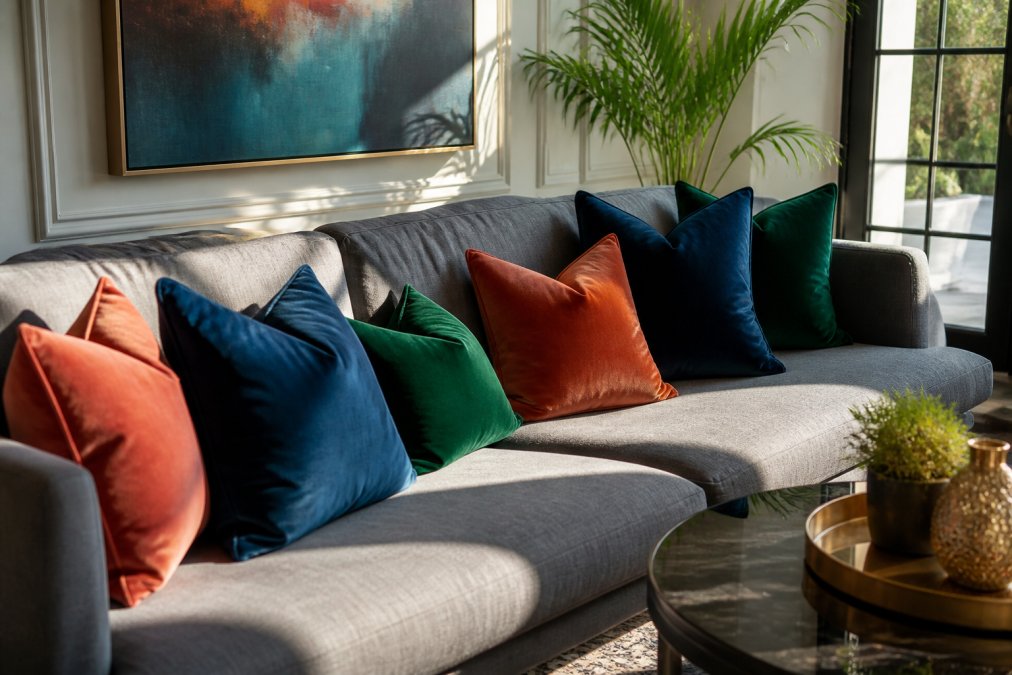
Color isn't about boldness for its own sake, it's about creating visual interest and establishing a focal point. Research from the University of Michigan residence hall study on color psychology found that blue interiors facilitate calm moods, but only when balanced properly. Too much saturation overwhelms; too little feels sterile.
Colorful accent pieces solve this equation. A single throw pillow at $17.13, a sculptural vase, or a wall hanging delivers impact without demanding a full room redesign. This approach works whether you're decorating a studio or a sprawling suburban living room.
How to Mix Colors in Home Interior Design
Color mixing in interior spaces follows predictable principles. According to research on color psychology and emotional response, certain color combinations trigger predictable psychological responses, though individual preferences and spatial context matter enormously.
Start with the 60-30-10 rule: sixty percent neutral (walls, large furniture, flooring), thirty percent secondary color (medium-toned accents), and ten percent statement color (vibrant hues). This ratio prevents chaos while allowing personality to shine.
Cooler tones like blue and green recede, creating calm and spaciousness. Warmer shades advance and energize. Layer them strategically: place a warm-toned throw pillow against a cool-toned wall, or add metallic accents to bridge temperature gaps.
Consider your existing palette before introducing colorful pieces. If your sofa is neutral grey and walls are soft white, a jewel-tone emerald pillow becomes a focal point. If walls are already patterned, pull back on saturation and let texture carry the design weight.
Quick Comparison: Top Colorful Accent Options
| Accent Type | Best For | Price Range | Durability | Visual Impact |
|---|---|---|---|---|
| Throw Pillows | All spaces; easy updates | $15-$50 | 2-5 years | High; immediate focal point |
| Decorative Vases | Shelves, mantels, side tables | $20-$100+ | 5-10+ years | Medium to high; sculptural |
| Wall Art | Creating visual interest vertically | $30-$200+ | 10+ years | High; sets room tone |
| Candles & Lanterns | Adding warmth and ambience | $10-$40 | 1-2 years | Medium; functional and aesthetic |
| Trays & Bowls | Coffee tables, shelves | $15-$60 | 5-10 years | Low to medium; styling tool |
1. Throw Pillows: Statement-Making Textiles
Throw pillows are the fastest, most affordable way to introduce colorful accent pieces. At $17.13 per pillow from theJoyincolor, they deliver disproportionate visual impact. A single well-chosen pillow anchors an entire room's color story.
Pillows work effectively because of proximity and texture. Unlike distant wall art, pillows live at arm's reach on your sofa, they're tactile, changeable, and impossible to ignore. Their soft nature humanizes a space, making it feel lived-in rather than staged.
Why Pillows Work as Focal Points
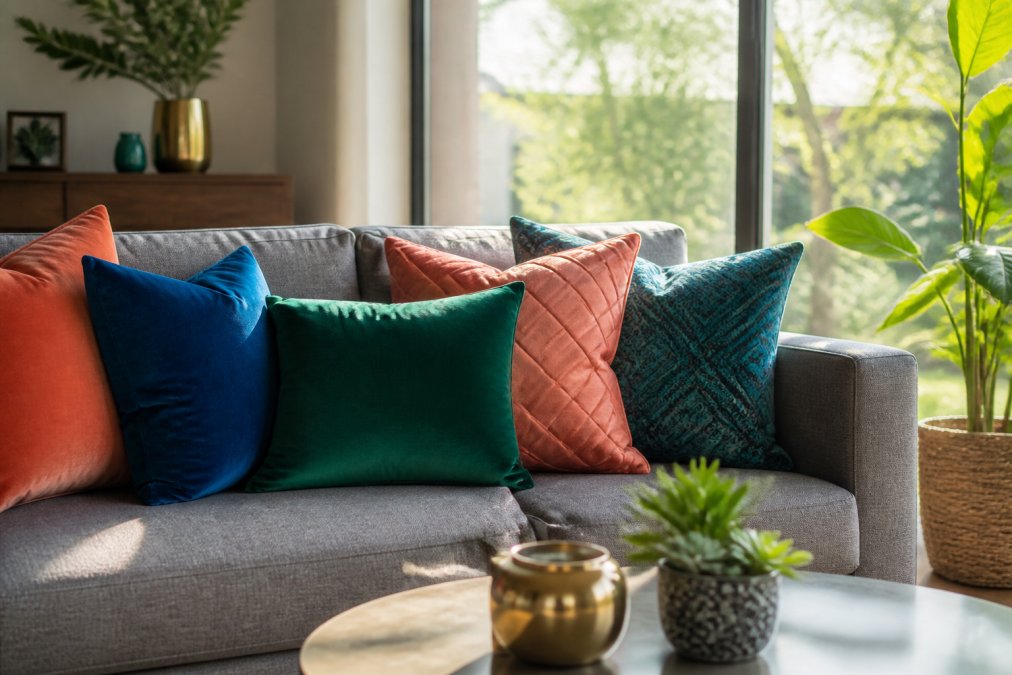
A focal point is the first thing your eye lands on when entering a room. Without one, the space feels aimless. Throw pillows create focal points through color contrast and placement. If your sofa is neutral, a vibrant pillow immediately draws attention.
The theJoyincolor collection includes options like the Mothers Day Accent Pillow and Boho Accent Pillow, each featuring multicolor abstract art. These pieces are machine-washable with shape-retaining polyester inserts, handling real-world use without losing form or color vibrancy.

Placement and Layering Strategies
Placement transforms pillows from decoration into design. Three pillows layered at varying angles and sizes create intentional styling.
Start with your largest pillow (24×24 inches) as the anchor at one corner. Add a medium pillow (20×20 inches) in front or beside it, slightly overlapping. Finish with a smaller accent pillow (16×16 inches) in a complementary color. This graduated sizing creates visual rhythm.
Color layering works best when you vary saturation levels. Pair a bright jewel tone with a muted version of the same hue, or introduce a neutral tone. The Darkness to Light Accent Pillow bridges multiple tones in a single piece.
2. Decorative Vases and Sculptures
Vases and sculptures are purely ornamental, yet they anchor a room's aesthetic character. Ceramic vases in rich, saturated colors, deep blues, warm terracottas, vibrant greens, work particularly well in modern and bohemian living rooms. They're durable (often 5-10+ years) and create sculptural interest that flat art cannot.
A tall, narrow vase in a jewel tone on a console table becomes a vertical focal point. A collection of three vases in graduated heights and complementary colors creates a curated display.
Style vases with negative space. A single large vase on an otherwise empty shelf reads as deliberate and sophisticated. Multiple vases clustered tightly feel chaotic. Leave breathing room between pieces.
Consider material: ceramic in matte finish absorbs light and feels warm and earthy; glazed ceramic reflects light and feels contemporary. Brass or copper-accented vases add warmth and bridge cool jewel tones with warm neutrals.
3. Wall Art and Accent Walls
Wall art is the largest blank canvas in most living rooms, making it the most powerful tool for introducing colorful accent pieces. A single large-scale painting or gallery wall can set the entire room's color temperature and mood.
Choose between a single statement piece and a gallery wall depending on your space. A gallery wall works best in rooms with high ceilings and substantial wall space. A single large painting works better in smaller rooms or above focal furniture like a sofa.
If your living room leans cool (blues, greens, purples), choose wall art that echoes these tones while introducing warmth through smaller accents. If your room is warm (creams, beiges), a cool-toned painting creates visual tension and prevents monotony.
An accent wall, painting one wall a bold color while keeping others neutral, works best in rooms with strong architectural features. A deep jewel tone accent wall paired with neutral furniture and strategic colorful accents creates a gallery-like feel.
4. Candles and Lanterns
Candles and lanterns introduce color and texture while creating warm, inviting ambience. A room lit by candlelight feels fundamentally different from one lit by overhead fixtures alone.
Colorful candles work best when visible and intentional. Clear glass vessels in jewel-tone wax create a jewel-box effect. Opaque ceramic or concrete vessels become sculptural objects. Group candles of varying heights on a coffee table, bookshelf, or mantel.
Lanterns add architectural interest while containing candlelight safely. A brass lantern complements both cool and warm palettes. Moroccan-style lanterns with colored glass create intricate shadow patterns.
Candles and lanterns are impermanent, they burn down and can be replaced seasonally, allowing you to refresh your color palette without major investment.
5. Trays and Decorative Bowls
Trays and bowls are subtle workhorses of interior styling. A colorful tray on a coffee table containing candles, books, and sculptures becomes a functional art installation.
Material choices matter significantly. A ceramic bowl in rich glaze catches light differently than brass or wood. A marble tray with inlaid colored stone creates luxury and visual interest. These pieces work best when proportional to their surfaces.
Style trays and bowls by layering objects of varying heights and textures. Place a tall candle or sculpture in the center, surround it with smaller objects, and leave empty space. This creates visual rhythm and prevents clutter.
Trays and bowls are also functional, they contain remotes and magazines while adding aesthetic value, making them ideal for living rooms needing both beauty and practicality.
Creating a Cohesive Color Story
The challenge with multiple colorful accent pieces is maintaining cohesion. A room with a red pillow, blue vase, green painting, and orange candle feels chaotic rather than curated.
One approach: choose a primary color (60% neutral base), secondary color (30% supporting tone), and tertiary accent color (10% statement hue). All colorful pieces should work within this palette.
Another approach: use a single color family with varying saturation levels. A room dominated by blues, from pale sky blue to deep navy to vibrant cobalt, feels cohesive even with multiple pieces.
A third approach: use warm and cool tones intentionally. Pair a warm jewel tone with a cool jewel tone, bridging them with metallics or neutrals.
Sustainable and Eco-Friendly Accent Choices
Seventy percent of Gen Z and Millennials report buyer's remorse within six months of trend-driven purchases, according to AweDeco's consumer survey on impulse purchases. This underscores the importance of choosing pieces you'll genuinely keep.
Sustainable materials, natural ceramics, recycled glass, responsibly sourced wood, organic textiles, age better aesthetically than fast-fashion alternatives. A handcrafted ceramic vase becomes more beautiful as it develops patina. A wool throw pillow softens and deepens over years.
Consider durability and repairability. Can the pillow cover be replaced? Can the vase be professionally repaired? Pieces designed for longevity are inherently more sustainable and economical.
Small-Space Strategies for Colorful Accents
Small living rooms demand strategic use of colorful pieces. Oversized vases, busy patterns, and competing colors shrink the space visually and create claustrophobia.
Focus on fewer, more carefully chosen pieces. Use one bold colorful accent piece as your anchor and build around it. A single large-scale painting in vibrant colors becomes the focal point; everything else should complement rather than compete.
Vertical styling helps small spaces feel larger. Tall, narrow vases draw the eye upward. A gallery wall arranged vertically emphasizes ceiling height.
Light colors and high-saturation accent pieces work better in small spaces than dark, muted tones. A small room in soft white with jewel-tone accents feels vibrant and intentional.
Maintenance and Care for Colorful Accent Pieces
Colorful accent pieces only deliver visual impact if well-maintained. Faded, dusty, or damaged pieces undermine the design scheme.
Throw pillows should be vacuumed monthly and machine-washed every 3-6 months. Spot-clean spills immediately. Rotate pillows regularly to prevent uneven fading.
Ceramic vases should be dusted weekly with a soft cloth. Avoid harsh cleaners that strip glazes.
Wall art requires different care by medium. Framed prints should be dusted monthly and protected from direct sunlight. Candles should be trimmed to ¼-inch wicks before lighting and replaced when down to ½ inch of wax.
Colorful accent pieces transform living rooms from functional spaces into reflections of personal style. The key is intentionality, choosing pieces that work together, maintaining them properly, and resisting constant trend-chasing. At theJoyincolor, we believe quality accent pieces, thoughtfully selected and well-cared-for, become beloved parts of your home. Start with one or two pieces that genuinely excite you, then build from there.
Frequently Asked Questions
Q: What is the best accent color for a living room?
A: The best accent color depends on your room's natural light, existing furniture, and desired mood. Cool tones like blue promote calmness and concentration, while warm shades like orange and red heighten energy. A 2020 study of 4,598 participants found blue linked to relief, green to contentment, and orange to joy. Start with one vibrant accent color and balance it with neutrals or muted shades to avoid overwhelming the space. Test samples in your actual room before committing to colorful accent pieces.
Q: How do you choose accent pieces that match your existing furniture?
A: Identify your existing furniture's color temperature (warm or cool) and dominant hues, then select colorful accent pieces that complement rather than clash. Use the 60-30-10 rule: 60% neutral base, 30% secondary color, and 10% accent color. Layer textures and materials, pair ceramic vases with textile pillows, to create visual interest without color chaos. If unsure, start with one statement piece like a throw pillow and build around it.
Q: How do I style colorful accent pillows on a sofa?
A: Arrange pillows in odd numbers (3 or 5) for visual balance. Layer different sizes, textures, and patterns while keeping a cohesive color story. Place larger, solid-colored pillows at the ends, then add smaller patterned or textured pieces toward the center. Machine-washable options like theJoyincolor's accent pillows ($17.13 each) make it easy to refresh your look seasonally. Avoid matching pairs, asymmetrical arrangements feel more curated and intentional.
Q: What makes colorful accent pieces worth the investment over budget alternatives?
A: Quality accent pieces last longer, maintain their color vibrancy, and provide better visual impact in your space. Budget pieces often fade quickly or fall apart after months of use. Premium options use durable fabrics, better construction, and thoughtful design, features that justify the cost. Consider your annual home decor spend: the average is $1,598 per year. Investing in a few high-quality pieces you genuinely love beats filling your space with cheaper items you'll replace constantly.
Q: Can I use bold colors in a small living room without making it feel cramped?
A: Yes. Keep walls neutral and reserve bold colors for smaller accent pieces, pillows, vases, candles, and wall art. This strategy creates visual interest without overwhelming the space. Use the 3-5-7 rule: distribute 3, 5, or 7 accent pieces throughout the room for balanced styling. Vertical elements like wall art draw the eye upward, making the room feel larger. Mirrors and reflective surfaces amplify light and prevent vibrant colors from feeling heavy.
This article was written using GrandRanker