

Table of Contents
- The Real Cost of Cheap vs. Quality Home Decor
- Home Decor Items Worth the Splurge
- How to Identify Quality Furniture and Decor
- Why Quality Home Decor Lasts Longer
- The Financial Case: Cost-Per-Use and Long-Term Value
- Building Your Curated Home on a Realistic Budget
- Conclusion
Last Updated: August 28, 2026
The Real Cost of Cheap vs. Quality Home Decor
When you're furnishing a new space, the temptation to buy cheap is real. A $40 placemat set feels wasteful when you can grab something similar for $15 at a big-box retailer. But here's what most people miss: cheap decor and quality decor aren't competing on the same timeline.
The difference becomes apparent within months, not years. Cheap textiles fade after a dozen washes. Budget furniture sags under regular use. Mass-produced finishings chip and peel. Meanwhile, quality pieces maintain their appearance, function, and structural integrity through years of daily life.
According to research on interior design investment value, quality design can increase property value by 10-20%, while design investment typically represents 5-10% of property value. That's not just about aesthetics, it's about tangible financial return.
The question isn't whether high-quality home decor is worth the cost. The question is whether you can afford NOT to invest in it. The data suggests that for anyone planning to stay in their space for more than a few years, quality pieces pay for themselves through durability, resale value, and the simple fact that you won't need to replace them constantly.
Home Decor Items Worth the Splurge
Not everything in your home deserves a premium price tag. Strategic splurging means identifying which pieces will anchor your space and which can be budget-friendly without sacrificing the overall aesthetic.
Items worth the investment share a common trait: they either get heavy use, sit in high-traffic areas, or define the visual character of a room. A quality sofa, a well-made bed frame, or a thoughtfully chosen lighting fixture will be noticed every single day. Budget alternatives in these categories will disappoint you regularly.
Conversely, decor that's purely decorative, wall art, smaller accent pieces, seasonal items, can be sourced affordably without compromising your space. The goal is balancing investment pieces with budget finds to create a curated home that reflects your personality without draining your account.
Textiles and Upholstery
Textiles are the workhorses of interior design. Rugs, curtains, throw pillows, and upholstered furniture absorb wear that hard surfaces don't. A cheap throw pillow will flatten and pill within a season. Quality upholstery resists fading, holds its shape, and develops character rather than deterioration over time.
Consider the math on textiles: a quality rug costs 3-4 times more than a budget option but lasts 10-15 years instead of 2-3. That's a cost-per-use calculation that heavily favors the investment. The same applies to upholstered pieces. A well-constructed sofa with quality fabric will maintain its structural integrity and appearance through years of use, while a budget sofa will sag and show wear within 18 months.
At theJoyincolor, we understand that textiles set the tone for a space. Our Cloth Napkin Set ($35.04) uses 100% polyester broadcloth with soft-to-the-touch finishes, details that signal quality construction. These aren't disposable placemats; they're pieces designed to be washed, used, and enjoyed for years.

Research from the Baymard Institute's furniture and home decor insights shows that most furniture and home decor shoppers evaluate long-term quality and durability when shopping online, prioritizing reviews that speak to how products hold up over time. Textiles are where this matters most.
Lighting Fixtures
Lighting is the most underestimated design element. A quality fixture does two things: it provides functional illumination and it anchors the visual aesthetic of a room. Budget lighting often does neither particularly well. It flickers, casts harsh shadows, and looks cheap because it is.
Investment-grade lighting fixtures use quality materials, proper wiring, and thoughtful design. They don't just light a room, they create atmosphere. A statement pendant or a well-designed table lamp becomes a focal point that elevates everything around it.
The cost-per-use calculation for lighting is particularly favorable. A quality fixture gets used every single day, multiple times per day. Over a five-year period, that's thousands of hours of use. Amortizing the cost across that timeline makes even expensive fixtures economical.
Where to Save Without Compromising Style
Not every piece needs to be premium. Wall decor, smaller accent items, and seasonal pieces can be budget-friendly. A gallery wall can mix high-quality framing with affordable prints. Throw pillows can be rotated seasonally with budget finds. Plants and smaller decorative objects add visual interest without requiring significant investment.
The strategic approach is this: splurge on foundational pieces that get heavy use or define your space's character. Save on accent pieces that can be swapped, rotated, or replaced without disrupting your overall design. This balance lets you build a curated home without overspending.
How to Identify Quality Furniture and Decor
Quality isn't always obvious at first glance. A piece can look fine in a showroom and fall apart at home. Learning to evaluate construction, materials, and finishings before buying protects your investment.
Material Quality and Construction
The foundation of any furniture piece is its frame and structure. Solid wood frames are superior to particleboard or plywood. Hardwoods like oak, maple, and walnut are stronger and more durable than softwoods. If a piece uses wood, ask what kind, and verify the answer.
For upholstered furniture, the frame matters more than the fabric. A quality frame with budget fabric will outlast a poor frame with expensive fabric. Look for eight-way hand-tied springs or high-density foam in seating. These construction methods cost more but deliver durability that shows up over years of use.
Metal components should feel solid and substantial. Cheap hardware will corrode, bend, or break. Quality hardware has proper weight and finish that resists wear. Test drawers and hinges, they should move smoothly without wobbling or catching.
Craftsmanship and Finishings
Finishings are where quality becomes visible. Paint should be smooth and even, without drips or imperfections. Stain should highlight wood grain rather than obscure it. Upholstery seams should be straight and tight, with consistent stitching patterns.
Run your hand across surfaces. Quality finishes feel smooth and durable. Budget finishes feel thin and fragile. Look at joints and seams, they should be tight and well-executed. Gaps or uneven seams indicate rushed manufacturing.
According to the American Society of Interior Designers' 2023 survey, 54% of luxury home renovations included at least one six-figure decor element, reflecting how serious investors evaluate craftsmanship as a primary value driver. That doesn't mean you need to spend six figures, but it signals that discerning buyers prioritize construction quality.
Pay attention to how pieces are assembled. Dovetail joints are stronger than simple butt joints. Mortise and tenon connections are superior to nails or screws alone. These details take time and skill, which is why they cost more, and why they last longer.
Why Quality Home Decor Lasts Longer
High-quality home decor lasts longer because it's built to last. That's not poetic, it's practical. Quality materials resist fading, wear, and deterioration. Quality construction means pieces maintain their structural integrity through years of use.
A cheap throw pillow uses thin fabric and low-density fill. After a few months of regular use, the fabric pills, the fill compacts, and the pillow looks exhausted. A quality pillow uses durable fabric and proper fill that resists compression. After years of use, it still looks and feels good.
The same principle applies across all home decor. Quality rugs use dense pile and durable backing that resists matting and fraying. Quality curtains use substantial fabric that resists fading and maintains its drape. Quality furniture uses construction methods that prevent sagging, wobbling, and structural failure.
This durability compounds over time. You're not replacing pieces every few years. You're living with items that improve with age, developing patina and character rather than deterioration. That's the real cost-per-use advantage of quality, you're dividing the purchase price across a much longer timeline.
The Financial Case: Cost-Per-Use and Long-Term Value
The financial argument for quality home decor is straightforward: divide the purchase price by the number of times you use the item. A $300 quality rug used daily for 12 years costs about 7 cents per use. A $100 budget rug used daily for 2 years costs about 14 cents per use.
This calculation applies to everything in your home. A $400 quality sofa used daily for 10 years costs about 11 cents per use. A $150 budget sofa used daily for 2 years costs about 21 cents per use. The math consistently favors investment in quality.
The U.S. home decor market was valued at USD 228.44 billion in 2026, with the furniture segment accounting for 42% of that market, driven by rising demand for quality and multifunctional household furniture. This reflects consumer recognition that durable pieces represent smarter long-term spending than constant replacement cycles.
Resale Value and Home Equity
Quality home decor affects resale value. A home furnished with quality pieces, cohesive design, and well-maintained finishes sells faster and for more money than one filled with budget furniture and mismatched decor. Real estate agents consistently report that homes with thoughtful interior design command premium prices.
This isn't just about aesthetics. Buyers perceive quality construction as indicating a well-maintained home. If the furniture is quality, the assumption is that the rest of the property was cared for similarly. That perception translates to higher offers.
For homeowners, this means your investment in quality decor isn't just about living well, it's about building equity. A $5,000 investment in quality pieces that increases your home's resale value by $15,000 is a financial win, regardless of how much you enjoyed living with those pieces.
Sustainability and Hidden Costs
Budget decor creates hidden environmental and financial costs. Pieces that wear out quickly end up in landfills, requiring replacement purchases. The cumulative environmental impact of constant replacement cycles is significant.
Quality decor, by contrast, reduces waste. Pieces that last 10-15 years instead of 2-3 years dramatically reduce the resources needed to furnish your home over a decade. This is true sustainability, buying less frequently because items last longer.
There's also a psychological benefit. Living with quality pieces you've invested in creates deeper satisfaction than rotating through disposable decor. You develop attachment to items, which increases their perceived value and your enjoyment of your space.
Building Your Curated Home on a Realistic Budget
The goal isn't to buy everything at premium prices. The goal is to be strategic about where you invest and where you save. A curated home reflects intentional choices, not unlimited spending.
Start by identifying your non-negotiables, the pieces that matter most to your daily life and your space's character. For some people, that's quality seating. For others, it's lighting or textiles. Invest there. Then build around those anchors with more budget-friendly pieces that complement rather than compete.
The average annual spend on home decor in the U.S. is $2,752, according to recent data on interior design spending patterns. That's roughly $230 per month, a manageable budget if allocated strategically. Prioritize investment pieces in that allocation, then supplement with affordable finds that extend your budget further.
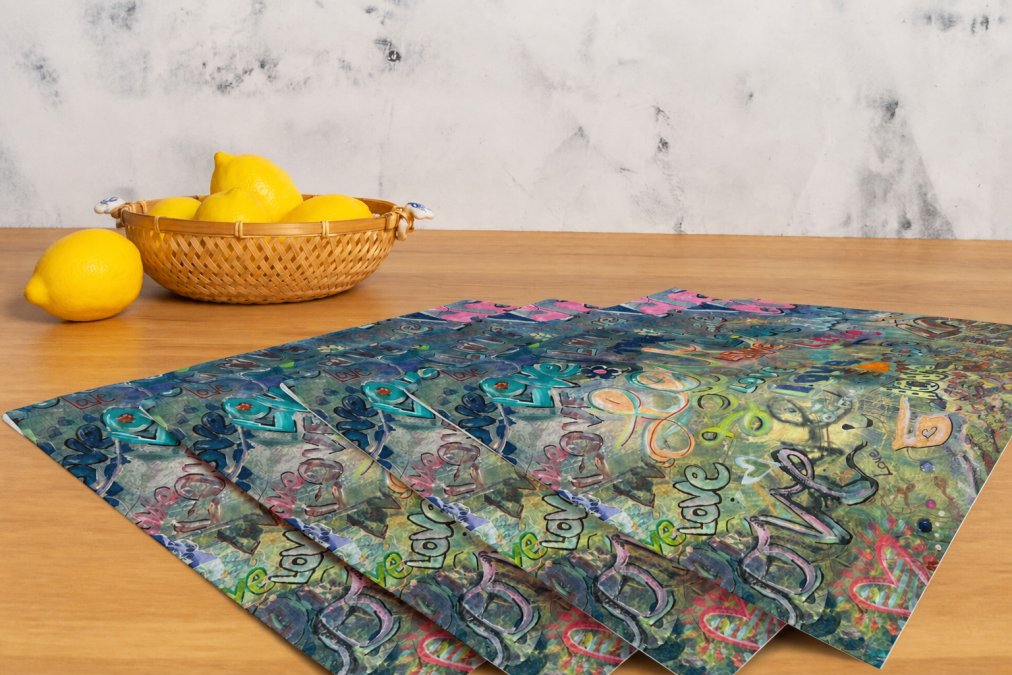
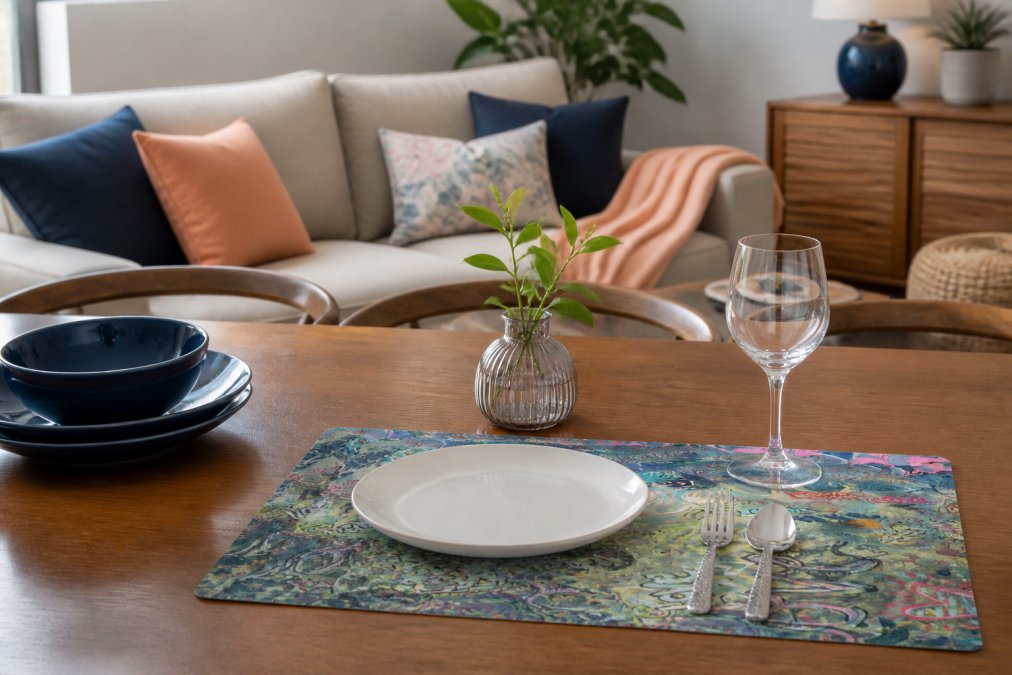
At theJoyincolor, we design products that fit into this balanced approach. Our Placemat Set ($40.52) delivers quality construction, water-resistant polyester broadcloth with thoughtful design, at a price point that makes investment in quality textiles accessible. These are pieces you use daily that show quality through durability and design.

The same principle guides our Boho Accent Pillow ($17.13), quality construction with a hidden zipper and shape-retaining insert, designed to be a lasting addition to your space rather than a disposable accent.

Building a curated home isn't about having unlimited resources. It's about making intentional choices. Splurge on foundational pieces. Save on accents. Choose items that reflect your aesthetic and your values. Prioritize durability and design over novelty and impulse purchases.
Is high-quality home decor worth the cost? The data is clear: yes, absolutely. Quality pieces cost more upfront but deliver superior durability, better cost-per-use economics, and genuine long-term value. At theJoyincolor, we believe your home should reflect your personality and withstand the realities of daily life. Our curated collection prioritizes both aesthetic appeal and lasting quality, pieces designed to bring vibrancy to your space for years to come. Start with one investment piece and build from there.
=== FAQ ANSWERS (audit these too, same rules) ===
Frequently Asked Questions
Q: What home decor items are actually worth spending more money on?
A: Invest in pieces you use daily or see constantly: quality textiles like rugs, upholstery, and bedding; lighting fixtures that set room atmosphere; and case goods like dressers and shelving. These anchor your space and affect both comfort and aesthetics. Budget-friendly options work fine for accent pieces like wall art or decorative objects you rotate seasonally. The average household spends $2,752 annually on home decor, prioritize that spend on items that impact functionality and durability.
Q: How do you distinguish between high-quality decor and overpriced items?
A: Examine material composition, construction methods, and weight. Quality furniture uses solid wood, hardwood plywood, or premium composites with reinforced joinery. Check seams on textiles for tight, even stitching. Read reviews specifically about durability and longevity, not just aesthetics. Overpriced items often rely on brand name alone without superior construction. Ask yourself: Does this piece justify its cost through material quality, craftsmanship, and expected lifespan, or am I paying for marketing?
Q: Does investing in high-quality home decor increase your home's value?
A: Yes, quality interior design can increase property value by 10-20%, with design investment typically representing 5-10% of property value. Professionally designed spaces with quality furnishings and thoughtful aesthetics sell faster and command higher prices. This applies especially to visible, high-impact areas like living rooms, kitchens, and master bedrooms. However, personal taste matters; timeless, neutral-leaning designs with quality pieces offer better resale appeal than trendy or overly niche aesthetics.
Q: Why does high-quality home decor last longer than cheaper alternatives?
A: Quality materials resist wear, fading, and structural failure. Premium fabrics have higher thread counts and superior dyes that resist color loss. Solid wood and quality joinery withstand daily use without warping or joint failure. Quality construction includes reinforced seams, proper padding, and durable finishings. Cheap pieces often use low-grade materials, weak adhesives, and minimal padding that deteriorate quickly. Over 5-10 years, one quality piece outlasts multiple cheap replacements, reducing both waste and long-term cost.
This article was written using GrandRanker